Protein C deficiency is a rare genetic trait that predisposes to thrombotic disease. It was first described in 1981.[2] The disease belongs to a group of genetic disorders known as thrombophilias. Protein C deficiency is associated with an increased incidence of venous thromboembolism (relative risk 8–10), whereas no association with arterial thrombotic disease has been found.[3]
Presentation
Complications
Protein C is vitamin K-dependent. Patients with Protein C deficiency are at an increased risk of developing skin necrosis while on warfarin. Protein C has a short half life (8 hour) compared with other vitamin K-dependent factors and therefore is rapidly depleted with warfarin initiation, resulting in a transient hypercoagulable state.[citation needed]
Pathophysiology
The main function of protein C is its anticoagulant property as an inhibitor of coagulation factors V and VIII. A deficiency results in a loss of the normal cleaving of Factors Va and VIIIa. There are two main types of protein C mutations that lead to protein C deficiency:[3]
- Type I: Quantitative defects of protein C (low production or short protein half life)
- Type II: Qualitative defects, in which interaction with other molecules is abnormal. Defects in interaction with thrombomodulin, phospholipids, factors V/VIII and others have been described.
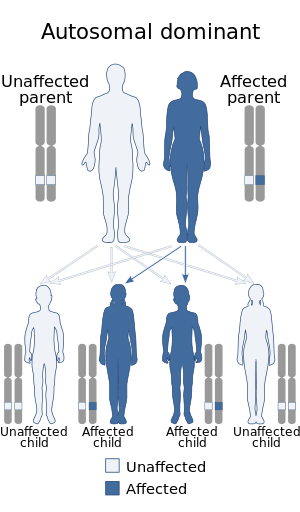
The majority of people with protein C deficiency lack only one copy of the functioning genes, and are therefore heterozygous. Before 1999, only sixteen cases of homozygous protein C deficiency had been described (two abnormal copies of the gene, leading to absence of functioning protein C in the bloodstream). This may manifest itself as purpura fulminans in newborn babies.[3]
Diagnosis
There are two main types of protein C assays, activity and antigen (immunoassays).[4] Commercially available activity assays are based on chromogenic assays that use activation by snake venom in an activating reagent, or clotting and enzyme-linked immunosorbant assays.[5] Repeated testing for protein C functional activity allows differentiation between transient and congenital deficiency of protein C.[4][6]
Initially, a protein C activity (functional) assay can be performed, and if the result is low, a protein C antigen assay can be considered to determine the deficiency subtype (Type I or Type II). In type I deficiencies, normally functioning protein C molecules are made in reduced quantity. In type II deficiencies normal amounts of dysfunctional protein C are synthesized.[4]
Antigen assays are immunoassays designed to measure the quantity of protein C regardless of its function. Type I deficiencies are therefore characterized by a decrease in both activity and antigen protein C assays whereas type II deficiencies exhibit normal protein C antigen levels with decreased activity levels.[4]
The human protein C gene (PROC) comprises 9 exons, and protein C deficiency has been linked to over 160 mutations to date.[7][8] Therefore, DNA testing for protein C deficiency is generally not available outside of specialized research laboratories.[4]
Manifestation of purpura fulminans as it is usually associated with reduced protein C plasma concentrations of <5 mg IU/dL.[6] The normal concentration of plasma protein C is 70 nM (4 µg/mL) with a half live of approximately 8 hours.[2] Healthy term neonates, however, have lower (and more variable) physiological levels of protein C (ranging between 15-55 IU/dL) than older children or adults, and these concentrations progressively increase throughout the first 6 months of life.[9] Protein C levels may be <10 IU/dL in preterm or twin neonates or those with respiratory distress without manifesting either purpura fulminans or disseminated intravascular coagulation.[10]
Treatment
Primary prophylaxis with low-molecular weight heparin, heparin, or warfarin is often considered in known familial cases. Anticoagulant prophylaxis is given to all who develop a venous clot regardless of underlying cause.[5] Studies have demonstrated an increased risk of recurrent venous thromboembolic events in patients with protein C deficiency. Therefore, long-term anticoagulation therapy with warfarin may be considered in these patients.[5] Homozygous protein C defect constitutes a potentially life-threatening disease, and warrants the use of supplemental protein C concentrates.[11] Liver transplant may be considered curative for homozygous protein C deficiency.[11]
Epidemiology
Heterozygous protein C deficiency occurs in 0.14–0.50% of the general population.[12][13] Based on an estimated carrier rate of 0.2%, a homozygous or compound heterozygous protein C deficiency incidence of 1 per 4 million births could be predicted, although far fewer living patients have been identified.[5] This low prevalence of patients with severe genetic protein C deficiency may be explained by excessive fetal demise, early postnatal deaths before diagnosis, heterogeneity in the cause of low concentrations of protein C among healthy individuals and under-reporting.[5]
The incidence of protein C deficiency in individuals who present with clinical symptoms has been reported to be estimated at 1 in 20,000.[14]